What Makes a Strong Mother? The Honest Answer
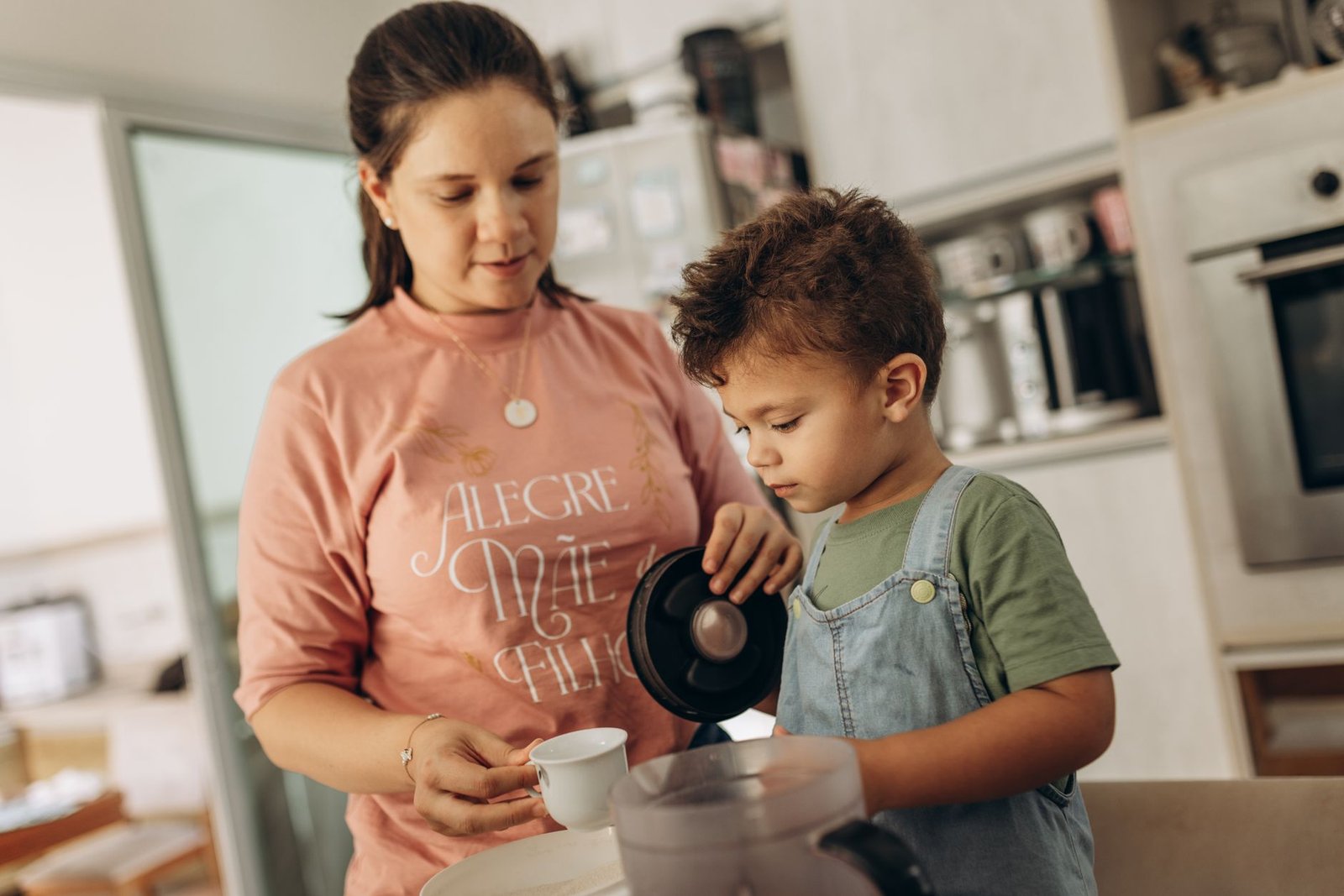
What makes a strong mother isn’t perfection, endless patience, or doing everything alone. It’s the ability to keep showing up, make hard calls, repair what’s gone wrong, and keep your child’s needs in view even when you’re tired, unsure, or stretched thin.
what makes a strong mother is a question many women ask when they feel they’re getting it wrong. Maybe you’re running on four hours’ sleep, maybe the school run turned into a meltdown, or maybe you’ve had a week where nothing feels steady. This piece gives you a plain answer, with no polishing and no fluff.
Quick answer: what makes a strong mother is not doing everything perfectly, but staying steady when life gets messy. She notices what her child needs, sets limits when necessary, asks for help when she’s at the edge, and keeps going after mistakes. Strength looks practical, not polished.
What makes a strong mother when everything feels messy?
- She keeps showing up, even on hard days.
- She doesn’t confuse love with perfection.
- She sets limits when her child needs them.
- She repairs mistakes instead of pretending.
- She asks for help before she burns out.
A strong mother isn’t the woman who never snaps. She’s the one who comes back, owns what happened, and tries again. That matters far more than looking calm all the time.
And yes, some days are simply ugly. One child refuses school shoes, another spills breakfast, your phone rings, and you’re already late for work. In that sort of morning, what makes a strong mother is plain old follow-through. She doesn’t need to enjoy the chaos. She just has to keep moving through it with some care.
People often confuse strength with toughness. They’re not the same. Toughness can look like white-knuckling everything, never admitting you’re struggling, and pretending you’ve got it all under control. Strength is kinder than that. It leaves room for honesty.
Strong mothers also know when to stop. That sounds small, but it isn’t. If you’ve spent all day soothing a poorly child, doing laundry, answering messages, and making tea for everyone else, then stopping for ten minutes can be the difference between a proper conversation and a full-blown row.
That’s where the real work sits. Not in Instagram-ready moments. In the boring, hard, repetitive bits. The packed lunch. The warning about crossing the road. The apology after you’ve lost your temper. The school form you fill in at 9.40pm. The ordinary things build the picture.
If you want a more personal take, have a look at Quotes About Resilience in Motherhood and Encouraging Strong Mom Quotes. They fit the days when you need a nudge rather than a lecture.
A common misconception says strong mothers don’t cry. Rubbish. Plenty do. Some cry in the car outside Sainsbury’s. Some cry in the bathroom after bedtime. Crying doesn’t cancel strength. Sometimes it’s what comes before the next sensible choice.
In practice, strength often looks boring. You pack the PE kit again. You ring the GP because the cough won’t shift. You tell your teenager the boundary still stands, even though they hate it. Not glamorous. Still strong.
Why does strong motherhood look different in every house?
Because families don’t run on the same rules, and children don’t arrive with the same temperament. A strong mother in a quiet two-person flat in Leeds won’t look exactly like a strong mother in a house full of siblings, shifts, and after-school clubs in Kent. The shape changes. The job doesn’t.
That’s why comparison causes so much grief. You see someone else’s tidy kitchen, neat hair, or cheerful school drop-off, and you assume she has something you don’t. Maybe she does have more help. Maybe she had a peaceful morning. Maybe she’s having a rough one too, just privately. You rarely see the whole story.
When people ask what makes a strong mother, they often want a neat checklist. They want to know whether the answer is patience, discipline, sacrifice, or grit. The truth sits in the mix. You need enough calm to think, enough firmness to lead, and enough flexibility to change course when the plan falls apart.
That’s especially clear in ordinary family moments. Say your child has a screaming fit in a car park because you said no to sweets. You don’t need a perfect speech. You need to stay steady, get them home, and deal with the aftermath without turning the whole day into a moral trial. Later, once everyone’s calmer, you talk it through. That’s the work.
Some mothers carry the whole mental load too, and that’s exhausting. School dates, birthday gifts, trainers that suddenly don’t fit, the consent form that was due yesterday. Strength here means noticing the overload before it swallows you. If that means writing everything on a paper list and leaving it on the kitchen table, so be it.
There’s another piece people forget. A strong mother doesn’t have to enjoy every part of mothering to be good at it. You can love your child fiercely and still hate the fifth bedtime story. You can be devoted and frustrated at the same time. That doesn’t make you cold. It makes you human.
If you’re after something a bit lighter after all this honesty, the Quotes About Motherhood & Family page can be a decent breather. And if you want to make something personal, the free quote card maker and original mom quotes page is there for that.
Different homes need different strengths. One mother needs patience with a child who worries about everything. Another needs firmness with a teenager who pushes every limit. Another needs the plain endurance of getting through a night with a baby who only sleeps in 20-minute bursts. Same title. Different day. Different test.
How do you know you’re being strong without pretending?
You’ll usually know because you’re still doing the hard things, even when you feel wrung out. Not perfectly. Just steadily enough to keep the family functioning. That’s often the answer to what makes a strong mother, even if nobody claps for it.
Strength without pretending means you don’t build a fake version of yourself. You admit when you’re tired. You say, “I can’t do that tonight.” You tell your child, “I was wrong,” when you were. That kind of honesty can feel awkward, especially if you grew up thinking mothers should absorb everything silently.
But silent endurance isn’t the gold standard. In many homes, it just leads to resentment, snapping, and burnout. A stronger pattern looks messier in the moment but works better over time. You notice your limits before you hit a wall. You ask your partner, your sister, or a friend to step in. You don’t wait until you’re sobbing over a sink full of dishes.
A Tuesday example? Your toddler has had a bug, the washing machine’s full of towels, and you’ve got a work call at 2pm. You cancel the tidy kitchen fantasy. You put the child on the sofa with cartoons, answer the call from the hall, and eat toast standing up. That’s not failure. That’s coping.
If you keep wondering whether you’re enough, look at your habits rather than your feelings. Do you notice when your child needs comfort? Do you keep boundaries when they matter? Do you return after an argument and make things right? Those actions tell the story better than any mood does.
One small practical habit helps more than people expect: ask yourself, “What actually needs doing today, and what can wait?” Write down three things. Just three. School shoes found, dinner sorted, one email sent. The rest can sit. That doesn’t make you lazy. It makes you realistic.
Also, watch for the sign many women ignore. If you feel permanently on edge, flat, or unable to rest even when the house is quiet, that’s not a character flaw. It’s a signal. Talk to someone you trust, and if something feels properly off, speak to your GP or health visitor.
Strong motherhood doesn’t mean you never wobble. It means you notice the wobble, keep your footing where you can, and carry on with a bit of honesty intact. That’s the real thing. Not tidy. Not perfect. Real.
What does strength look like when the house is falling apart?
Usually, it looks smaller than people expect. Not a heroic speech. Not a spotless kitchen. Just you keeping the day moving when sleep’s thin, the washing’s piled up, and someone’s having a meltdown over the wrong cereal bowl. Strong motherhood, in that moment, means you don’t pretend everything’s fine. You deal with the next thing, then the one after that.
That’s hard. Some days you’ll feel like you’re failing before breakfast, especially if the school run’s late, the baby’s screaming, and your phone won’t stop buzzing. But strength isn’t the absence of chaos. It’s staying present inside it, even when you’d rather hide in the bathroom for five minutes and eat chocolate in peace.
A lot of mothers mistake calm faces for calm lives. They’re not the same thing. You can be frazzled, cross, and exhausted, and still be strong if you keep showing up, keep the children fed, keep the boundaries in place, and keep your voice steady enough to matter.
And sometimes strength looks like saying, “I can’t do that today.” That’s not weakness. That’s judgement. On a Tuesday afternoon, that might mean cancelling the extra club, asking your partner to do pickup, or letting the laundry wait because your child needs you more than the tumble dryer does. Practical wins. Messy, ordinary, real.
One mum I know had a child off school with a sickness bug, another child due at a birthday party, and a boiler that packed in before lunch. She didn’t fix everything. She rang the school, bought dry toast, kept everyone warm in one room, and handled the plumber between sick bowls. That’s strong. Not glamorous. Properly strong.
In practice, many mothers make things worse by trying to “hold it all together” in silence, then snapping when they’re already at breaking point. A better move is to name the pressure early, even if only to yourself. Then decide what actually needs doing now, and what can wait until after tea.
Why do different families need different kinds of strength?
Because no two homes ask the same thing of you. If you’re parenting a child with additional needs, working shifts, caring for an older relative, or doing most of it alone, your version of strength won’t look like the woman next door’s. That’s not failure. That’s reality. Different load, different shape.
Some mothers need fierce patience. Others need sharp boundaries. Some need practical organisation because the day falls apart without lists, alarms, and ten-minute buffers. Others need emotional steadiness, the kind that helps a child feel safe when life outside the front door feels shaky. The question isn’t, “Am I doing it like everyone else?” It’s, “What does my family actually need from me?”
That answer changes, too. A mother with a newborn may need strength in the form of rest and asking for help. A mother of teenagers might need strength that looks like consistency, not constant intervention. And if you’re caring for a child with anxiety, you may spend half your energy on calm routines, school emails, and ordinary reassurance. Quiet work. Heavy work.
People often think strong mothers are endlessly adaptable, as if flexibility solves everything. It doesn’t. Sometimes you need to say no because your own energy’s gone. Sometimes you need to keep the plan simple because a packed week will only end in tears. In real life, strength often means knowing which battles matter and which ones don’t.
Try this: notice where your household keeps tripping you up. Is it mornings, homework, bedtime, money, or the constant emotional weather? Once you know the pressure point, you can stop judging yourself for the wrong things and start putting your energy where it actually helps.
One family might need a mother who can keep the routine tight because a child struggles with change. Another might need a mother who can loosen the reins because everyone’s burnt out and the smallest shift helps. Same word, different meaning. That’s why strong motherhood can’t be copied from someone else’s life.
In practice, a common mistake is copying another mum’s system because it looks tidy on Instagram, then feeling useless when it collapses by Wednesday. Most homes aren’t designed to be neat. They’re designed to function, and sometimes that means a half-finished packed lunch and a shared joke at 8:15am.
How can you tell you’re strong without pretending?
You can tell by what happens when things go wrong. If you can admit you’re tired, apologise when you’ve snapped, and ask for help before you’re completely spent, that’s strength. It’s not about looking polished. It’s about staying honest enough to keep going without turning yourself into a statue.
There’s a myth that strong mothers never need reassurance. Rubbish. Most of us need it. We just don’t always say so out loud. The real sign of strength is that you keep functioning while carrying doubts, worries, and a ridiculous mental list of forgotten school forms, unwashed PE kits, and birthdays you nearly missed.
Honesty matters because pretending has a cost. If you keep saying you’re fine when you’re not, people stop seeing the strain. Then you end up resenting everyone for not noticing. Better to say, plainly, “I’m at capacity,” or “I need half an hour,” or “I can’t take that on.” Clear words. Fewer breakdowns later.
There’s another bit people miss. Strong doesn’t mean self-sacrificing every minute. If you never rest, never eat properly, and never let anyone else step in, you’re not proving anything. You’re just running yourself down. And a tired, emptied-out mother doesn’t help anyone for long.
Ask yourself a better question: did I respond, even imperfectly, instead of disappearing? Did I protect my child, keep the basics going, or admit when I needed support? If the answer’s yes, you’re probably stronger than you think. Not because you felt brave. Because you were honest and kept moving.
For example, imagine you’ve had a rough week and your child’s homework isn’t done, the dinner’s burnt, and you’re close to tears. You don’t fake cheerfulness. You sit down, say you’ve had enough, and ask your partner to sort the bath while you reset for ten minutes. That’s not backing out. That’s recognising your limit before you break.
Strong mothers aren’t made by pretending they’ve got endless reserves. They’re made in the awkward, unglamorous moments where they tell the truth, keep the children safe, and accept that some days are simply messy. That honesty. That’s the backbone.
Frequently asked questions
What makes a strong mother?
A strong mother isn’t the woman who never cracks. She’s the one who keeps showing up, even when she’s tired, worried, or unsure what to do next. Strength often looks boring from the outside, like packing the PE kit, remembering the inhaler, or apologising after a sharp word. Real strength also means asking for help when you need it.
Is a strong mother always calm and patient?
No. That’s a lovely idea, but it isn’t real life. Every mother gets rattled sometimes, especially on nights with no sleep or mornings when everyone’s late and nobody can find a shoe. Being strong doesn’t mean never losing your temper. It means noticing when you’re near the edge, then repairing things afterwards.
Can a mother be strong and still struggle?
Absolutely. In fact, most strong mothers do struggle at times. They might feel lonely on the school run, stretched by work, or worn out by constant decisions. Struggle doesn’t cancel strength. A parent who keeps going through a hard patch, while staying honest about how hard it feels, often shows more strength than someone who looks polished.
What does maternal strength look like in everyday life?
It shows up in small, practical moments. Think of the mum who leaves a meeting early because her child’s had a bad day at school, or the one who reads the same bedtime story for the fifth time because her toddler needs the comfort. It also looks like boundaries. Saying no to extra plans when your family needs a quieter evening. Plain, ordinary, necessary.
How do I become a stronger mother without burning out?
Start by being honest about what’s draining you. If you’re running on empty, you can’t keep pushing as if nothing’s wrong. Pick one pressure point and ease it, maybe by asking a partner to handle bath time, swapping one chore, or booking time to rest. Strong mothers don’t do everything. They sort out what matters most and let the rest wait.
Final thoughts
So, what makes a strong mother? It’s honesty, steadiness, and the willingness to keep going without pretending you’ve got it all sorted. It’s also knowing when to say no, when to apologise, and when to ask for a hand. If you remember anything, remember this: strength isn’t neat, and it doesn’t always look impressive from the outside.
Your next step? Pick one thing that’s wearing you down and deal with that first. A shorter to-do list, a direct conversation, or an earlier night can make more difference than another round of self-criticism.